
Share:
Table Of Contents
What Are Virtual Pinball Machines? The Ultimate Comparison With Classic Pinball Machines
Classic pinball machines were once the stars of arcades. Their precise mechanics and the crisp sound of steel balls colliding carried childhood memories for many, leaving a lasting mark in gaming history. Today, with the rapid advancement of digital technology, virtual pinball machines have quietly emerged. These devices, which replicate the joy of pinball without the steel balls, have players curious: What Are Virtual Pinball Machines? What are their differences and unique advantages over classic pinball machines?
I. Core Concept Analysis: What Are Virtual Pinball Machines?
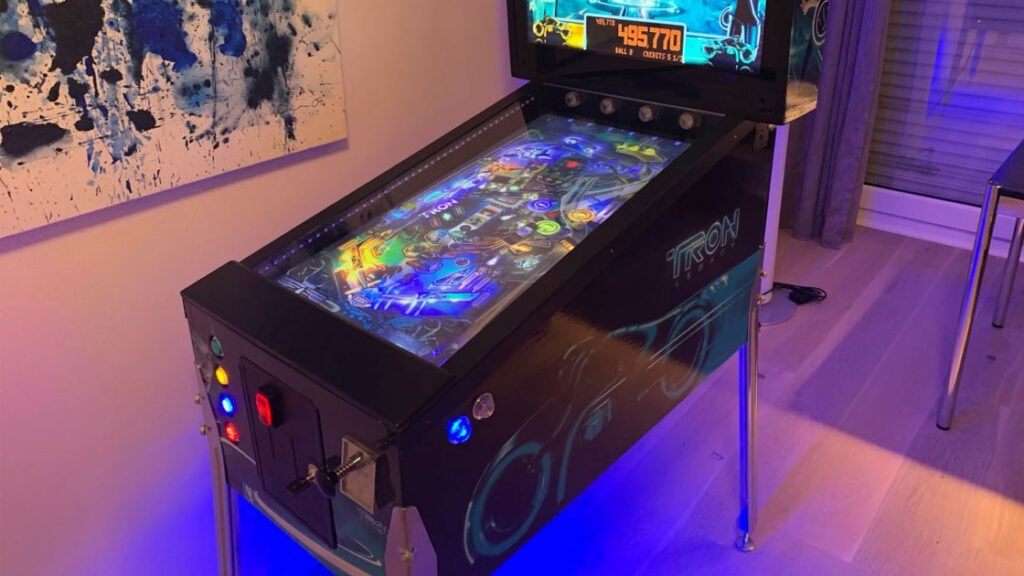
Virtual pinball machines are electronic gaming devices based on digital technology. They use a display to simulate the scene of a pinball table. Combined with sensors and a physics engine, they recreate the interactive experience of pinball collisions and bounces.
Their core components are hardware and software. The hardware includes a high-definition display, such as a 4K curved screen, which can perfectly simulate a three-dimensional pinball table; controls such as virtual levers and physical buttons; a vibration feedback module; and a high-performance processor. The software includes a virtual pinball table program that supports custom scenarios and rules; a physics engine that calculates pinball trajectories and collision effects; and a sound system that simulates impact sounds and background music.
How Does Virtual Pinball Machine Work: Players use the lever to launch a “virtual pinball.” Sensors detect the control signal, and the software then renders the pinball’s trajectory in real time, creating a dynamic image on the screen. Vibration and sound effects enhance the player’s immersion.
II. The Ultimate Comparison Between Virtual Pinball Machine and Classic Pinball Machines
| Comparison Dimensions | Classic Pinball Machines | Virtual Pinball Machine |
|---|---|---|
| Core Components | Mechanical structure (springs, levers, steel balls, physical ramps, etc.), electronic score counter | display screen, code program, sensors, virtual scene model |
| Space Requirements | Large, typically 1.5-2 meters tall, occupying 1-2 square meters, and weighing 200-300 kg | Smaller machines occupy only 0.5 square meters, and professional models are also more space-efficient. |
| Maintenance Cost | High, as mechanical parts are prone to wear and tear, requiring regular spring and light bulb replacement and track repair. | Low, as there is no mechanical wear and tear, requiring maintenance primarily on the screen and software, resulting in a low failure rate. |
| Game Variety | One machine, one pinball table design, for a consistent experience. | Hundreds of virtual tables can be downloaded, allowing players to customize and update their own scenes, with unlimited expansion. |
| Physical Feedback | Provides a realistic feel of impact, the sound of rolling balls, and mechanical vibrations, providing direct and unique feedback | This feedback is simulated through audio and vibration motors, with adjustable intensity and a more digital effect. |
| Price Range | Basic models range from $450-$1600, while mid-range and high-end models range from $3000-$9000. | Brand new models range from $6000 and up; used models have a wide range of prices, ranging from a few hundred to several thousand dollars (depending on age, condition, etc.). |
| Social And Scalable | Primarily a single-player experience, with limited online play and data sharing. | Supports online play, global leaderboards, online updates, and even integration with VR devices for an upgraded experience. |
The key difference between the two is that Classic Pinball Machines rely on mechanical motion to implement game logic, making them “physical entities”; digital pinball machine replicate the rules through code and algorithms, making them “digital simulations” and free from hardware limitations. Furthermore, the gameplay of Classic Pinball Machines remains unchanged throughout the game, creating a “fixed experience”; virtual pinball machines can be updated with new content through software updates, achieving “dynamic iteration.”
III. Core Advantages of Virtual Pinball Machines
Are virtual pinball machines any good? The answer is no doubt, as video pinball machines offer a wide variety of games. Experience hundreds of classic and original pinball tables on a single device, satisfying players’ thirst for novelty. They are space- and cost-effective, eliminating the need for bulky hardware and requiring minimal maintenance. They are suitable for home use and small arcades, lowering the barrier to entry.
In terms of interactivity and social interaction, their networking capabilities break geographical barriers, allowing players to compete with opponents worldwide, share high-score videos, and form an online pinball community. Visual and auditory innovations are also evident, with high-definition graphics and 3D effects creating hyper-realistic scenes. Combined with surround sound, the immersive experience far surpasses traditional mechanical audio. Furthermore, players can adjust pinball parameters and even create their own custom pinball table models, offering ultimate customization.
IV. The Irreplaceability of Classic Pinball Machines
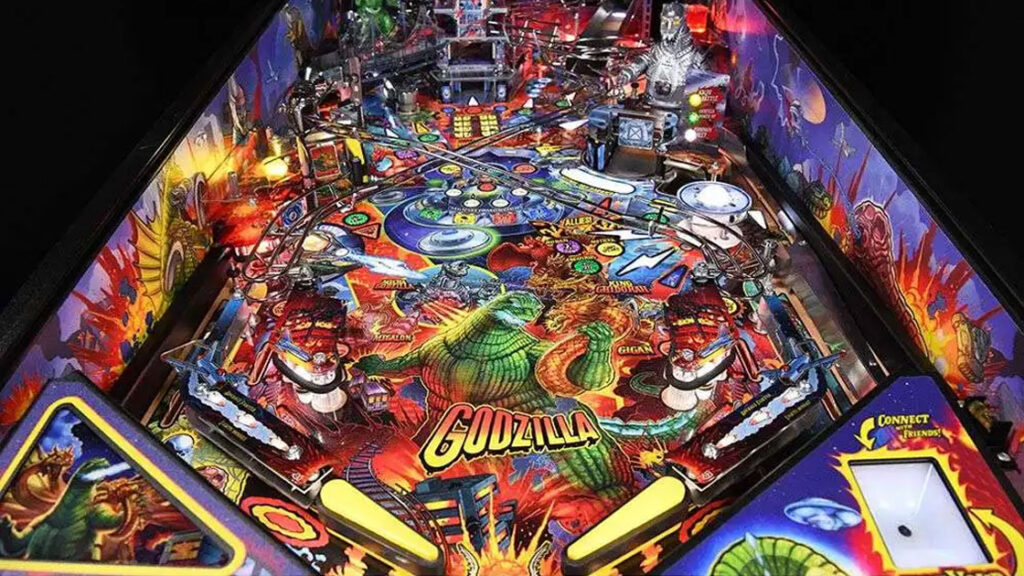
Vintage pinball machines hold a profound historical and sentimental value. As classic examples of industrial design, they carry the memory of gaming history and are a top choice for retro culture enthusiasts.
Their physical interaction possesses a unique charm. The impact of real steel balls and the precise operation of the mechanism create a “hardcore” feedback that is difficult to fully replicate with digital simulations. Furthermore, limited edition or classic models appreciate in value over time, making them both collectible and valuable, offering both entertainment and investment value.
V.Conclusion: Choose a Virtual Pinball Machine or a Classic Pinball Machine?
Virtual pinball machines are an innovative product of technological evolution, redefining the pinball game with their flexibility, diversity, and accessible entry point. Classic pinball machines still hold a unique position thanks to their unique physical experience and sentimental value.
Players seeking novel experiences, limited space, or those who prefer social interaction may prefer digital pinball machines.
For players who appreciate mechanical aesthetics and value collectibles, vintage pinball machines remain a classic choice.
In the future, with the integration of AR/VR technology, 4K pinball machines may offer a more realistic “virtual-real” experience, while classic machines will continue to exude charm in retro culture.
VI.Frequently Asked Questions (FAQs)
Can a virtual pinball table truly “feel” like a real machine?
A: With high-end configurations (especially with high-quality solenoids and contactors), it can be very close, but never 100% identical. It provides a different kind of immersive experience.
Is building a virtual pinball machine difficult?
A: DIYing it has a certain barrier to entry, requiring computer hardware, woodworking skills, and basic circuitry knowledge. However, there are now many services that offer pre-assembled machines, making it easy to get started.
Are game resources (table files) legal?
A: This is a gray area. Many classic fan-made tables are subject to copyright issues. However, some officially licensed new tables (such as Zaccaria Pinball) offer legal purchase options.
Send Us A Message