
Share:
Table Of Contents
What is a Laser Tag game: A Complete Guide
Imagine a dark arena filled with neon lights and futuristic obstacles, with rousing music playing in your ears. Wielding a laser gun, you coordinate seamlessly with your teammates, weaving, dodging, and aiming for shared victory. The crisp vibration feedback from your device when you hit an opponent brings a surge of satisfaction—this is the unique experience of laser tag!
Whether you’re looking for a cool idea for your child’s birthday party, planning a unique get-together with friends, or organizing a company team-building activity, laser tag is an excellent choice. But before you start, you might have many questions. This ultimate guide will take you from scratch to a complete understanding of laser tag, including what is a laser tag game, its suitable age range, its origin story, and its playtime and cost.
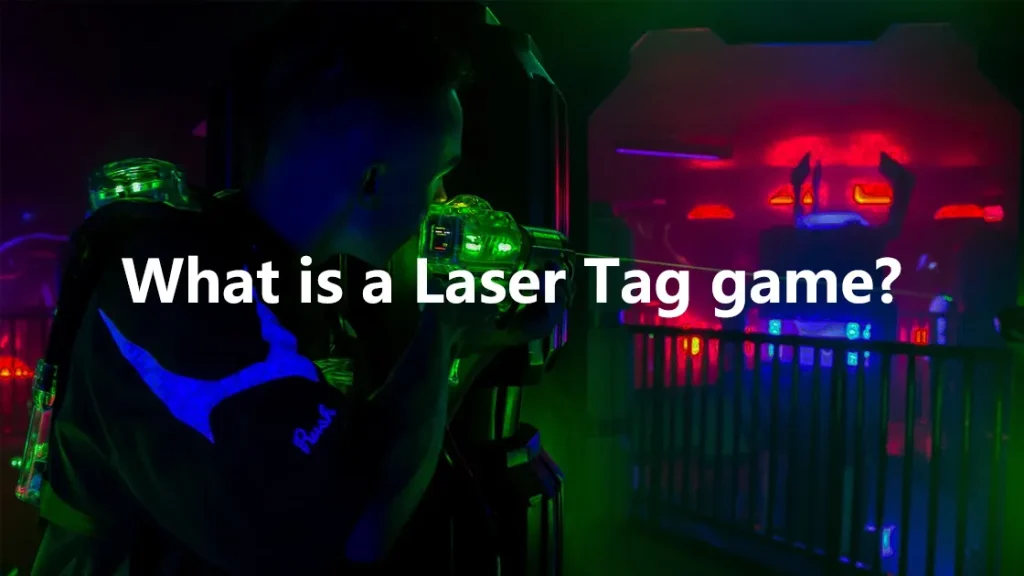
Part 1: Laser Tag Basics
What is Laser Tag?
Laser tag is a high-tech, low-impact shooting sport and e-sports game. It allows players to score points by shooting at sensors on opponents’ vests or helmets using “guns” or “phasers” equipped with infrared emitters in indoor or outdoor maze-like arenas.
- Basic Gameplay:Players wear electronic vests with sensors and hold emitters. When an infrared beam (non-harmful laser) successfully hits an opponent’s sensor, the opponent’s equipment is registered as “hit” and temporarily disabled or points are deducted.
- Core Objective:Achieve the highest score within a time limit by shooting opponents and completing specific tasks (such as shooting base objectives or capturing the flag).
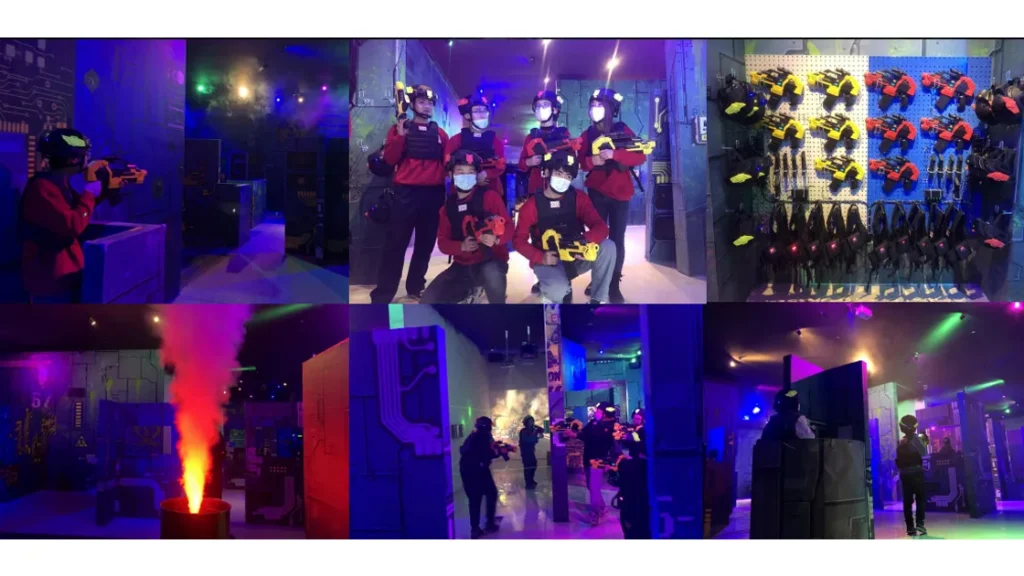
Laser Tag Equipment
The core technology of this game lies in two main components:
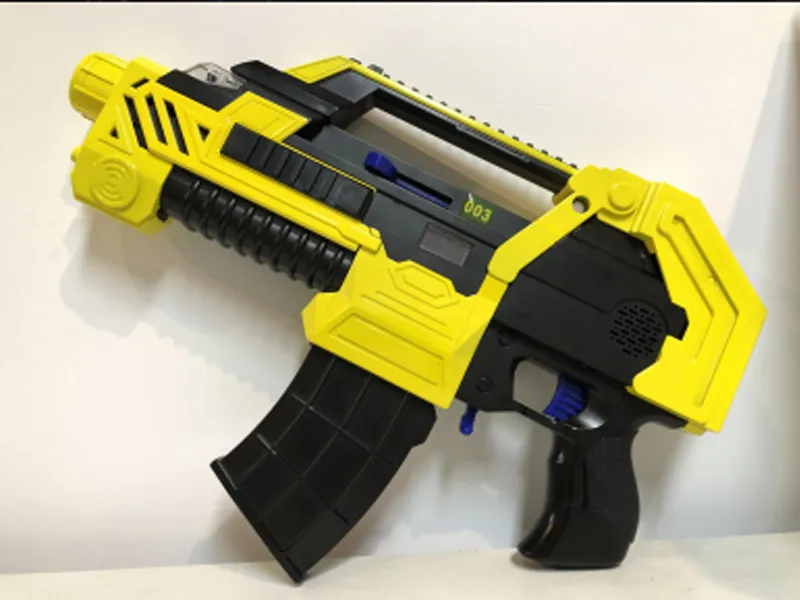
- Emitter/Gun:This is the device players use to fire infrared beams. It usually has a futuristic appearance and is equipped with a trigger and score display. Note that although it’s called a “laser tag,” it uses an infrared beam, similar to the beam emitted by your TV remote control, and is completely harmless to the eyes and body.

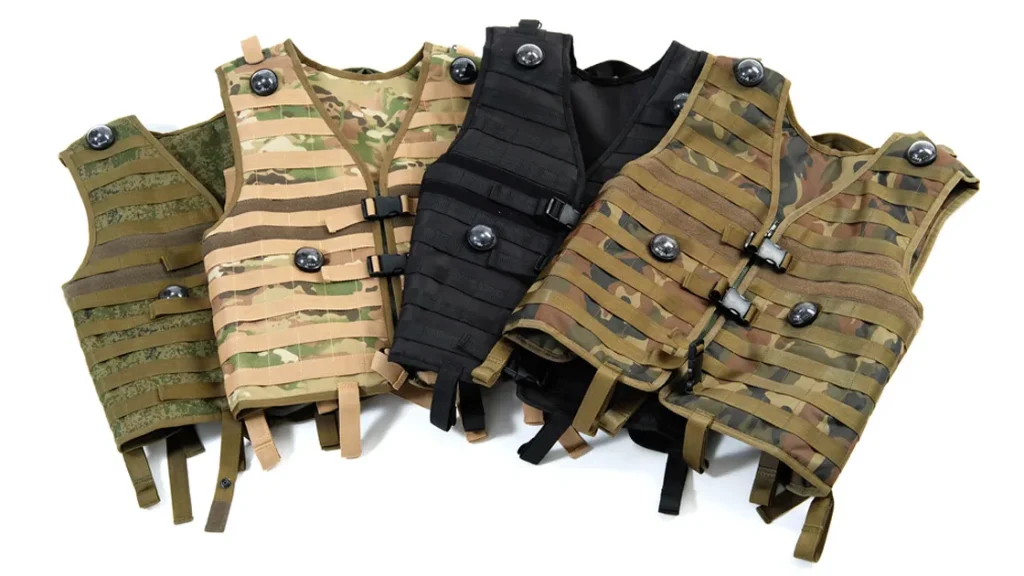
- Vest/Sensor:This is the core equipment worn by the player. The vest is equipped with multiple receivers (sensors), typically located on the chest, back, and shoulders. These are responsible for receiving infrared “hit” signals and communicating with a central computer to record scores, health points, and game status.
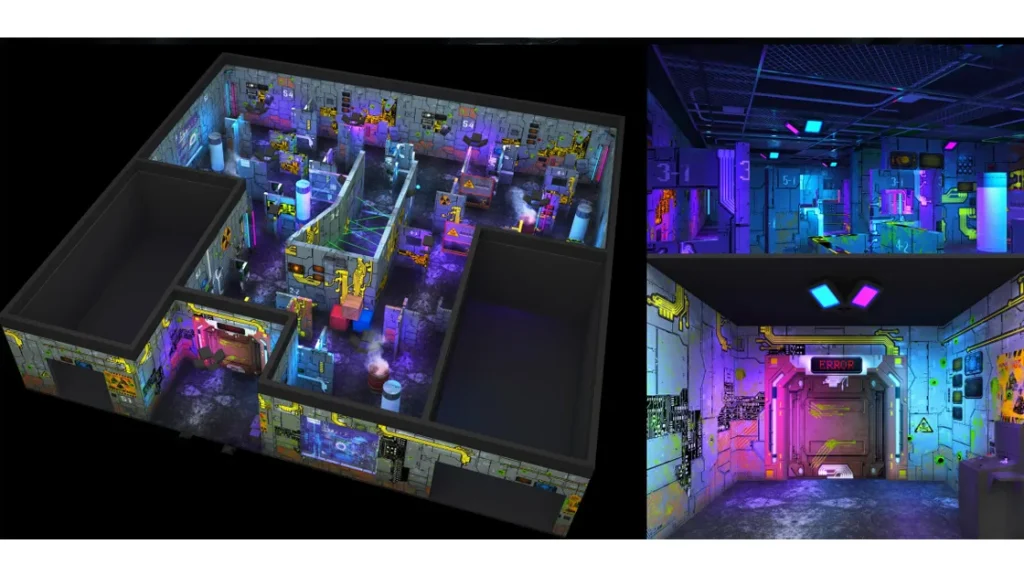
- Arena:A typical laser tag arena is a dark, maze-like space filled with obstacles, ramps, reflective surfaces, and ultraviolet lights (black light) and artificial smoke, which make the infrared beams visible, creating an immersive experience reminiscent of science fiction or combat.
Part 2: History, Age Suitability, and Game Info
When was laser tag a thing?
Laser tag game was inspired by science fiction novels and movies, especially the beam guns in the 1977 film Star Wars.
- Origin:In 1979, American George Carter III, inspired by the scenes of heroes using beam guns in Star Wars, began developing a system to realize this idea.
- Birth and Development:The first commercial laser tag system, Photon, was launched in 1984, and the first public arena opened in Texas, marking the official birth of laser tag as an entertainment industry. Subsequently, in the late 1980s and 1990s, this activity rapidly gained popularity worldwide.
What age is a laser tag suitable for?
Laser tag game has become a popular family activity due to its high safety and low physical impact.
- Manufacturer’s Recommendation:Most professional laser tag venues recommend a minimum age of 6 to 8 years old. This restriction is primarily based on the size of the child’s vest, their ability to understand the rules, and the hand strength needed to control the launcher.
- Suitability Analysis: Compared to paintball or airsoft, laser tag has no projectiles and does not cause pain or bruising, making it ideal for family gatherings and children’s parties. It is also an excellent high-intensity sport for teenagers and adults.
How long is a laser tag game?
The duration of a single laser tag game is designed just right, allowing players to enjoy themselves without becoming overly tired.
- Standard Duration: A typical round of laser tag (actual playtime) usually lasts between 10 and 15 minutes.
- Total Experience Duration:If you include costume changes, safety briefings (usually 5-10 minutes), actual play time, and time to view scores after the game, the entire experience typically takes 20 to 30 minutes. The total duration will be longer if you purchase an hourly package or multiple rounds.
Part 3: Cost and Where to Play
How much does it cost for a laser tag?
The cost of laser tag varies depending on location, package, and city, but it is generally considered an affordable form of entertainment.
| Billing Methods | Price Range (Estimated) | Suitable Scenarios |
|---|---|---|
| Single Game | $8 - $15/person | Suitable for first-timers or players with limited time. |
| Package | $20 - $35/2-3 rounds | The most common and cost-effective option. |
| Timed Pass | $30 - $50/hour | Suitable for groups or high-intensity players, allowing unlimited play. |
- Influencing Factors: The cost of living in the location, the sophistication of the equipment offered (such as VR laser tagging), and whether it’s included in other activities at the Family Entertainment Center (FEC) (such as bowling or video games) will all affect the final price.
Where Can You Play Laser Tag?
- Professional Arenas:Many cities have dedicated laser tag centers with large, sophisticated, custom-designed arenas.
- Recreation Venues:Laser tagging is also a common feature in Family Entertainment Centers (FECs), recreational areas in large shopping malls, bowling alleys, and ice rinks.
- Mobile/Family Kits:You can also purchase simple infrared transmitter and receiver kits for more casual play with your family at home or in your backyard.
Part 4: Tips and Strategies
Before You Play
- Clothing Suggestion:Wearing dark or all-black clothing will help you stay inconspicuous and hidden in the dark arena. Choose comfortable athletic shoes, as you will need to move and run quickly.
- Safety Precautions:Listen carefully to the safety briefing. Do not climb, push, or run too fast in the arena to prevent falls in the dark.
How to be good at Laser Tag
- Teamwork:This is the key to victory! Communicate with your teammates and divide the tasks—someone defends the base, and someone else attacks.
- Movement and Cover:Laser Tag is not a shooting game, but a contest of movement and strategy. Use the terrain’s obstacles as cover and fire from different angles. Maintaining a low profile and moving around will make you a harder target.
- Aiming and Shooting:Prioritize aiming at the sensors on your opponent’s vest and shoulders. Some systems have a brief period of invulnerability or disablement after a player is hit; use this time to reload or move to a better position.
Conclusion
From its sci-fi origins to its current status as a safe and high-energy team activity, laser tag’s appeal has endured. At its core, what is a laser tag game if not a thrilling test of your physical agility, quick strategic thinking, and teamwork?
Whether you’re looking for a fun-filled family day, a unique birthday party location, or a friendly competition with friends, laser tag has you covered.
Are you ready to grab your phase gun and enter the arena? Search for your nearest laser tag center now and start your adventure!
Send Us A Message