
Share:
Table Of Contents
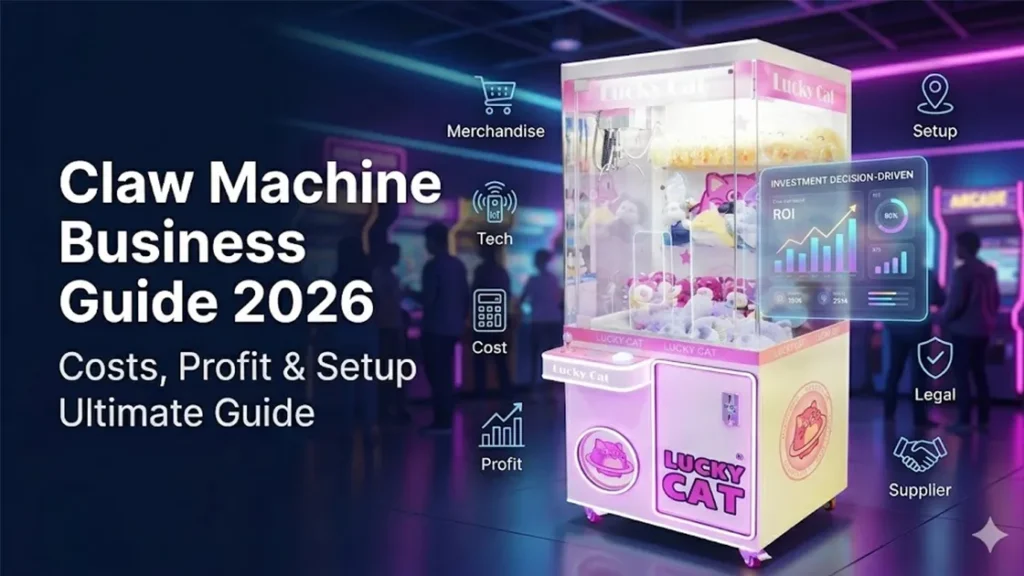
Claw Machine Business Ultimate Guide 2026: Costs, Profit & Setup
If you’re planning to start or scale an arcade, FEC, or retail entertainment space, claw machine business remain one of the lowest-risk, fastest-payback attractions in the industry.
This guide gives you a complete, business-focused overview — from cost and ROI to setup, operation, and supplier selection — while linking to deeper resources for each stage.
What Is a Claw Machine?
A claw machine (also called a crane machine) is a coin-operated arcade machine where players attempt to grab prizes using a mechanical claw.
Why it matters for business:
- Low operational complexity
- High replay rate
- Strong impulse spending behavior
Read more:How Do Claw Machines Work?
Types of Claw Machines (Choose the Right Model)
Not all machines perform the same. Your ROI depends heavily on choosing the right type.
Common Categories:
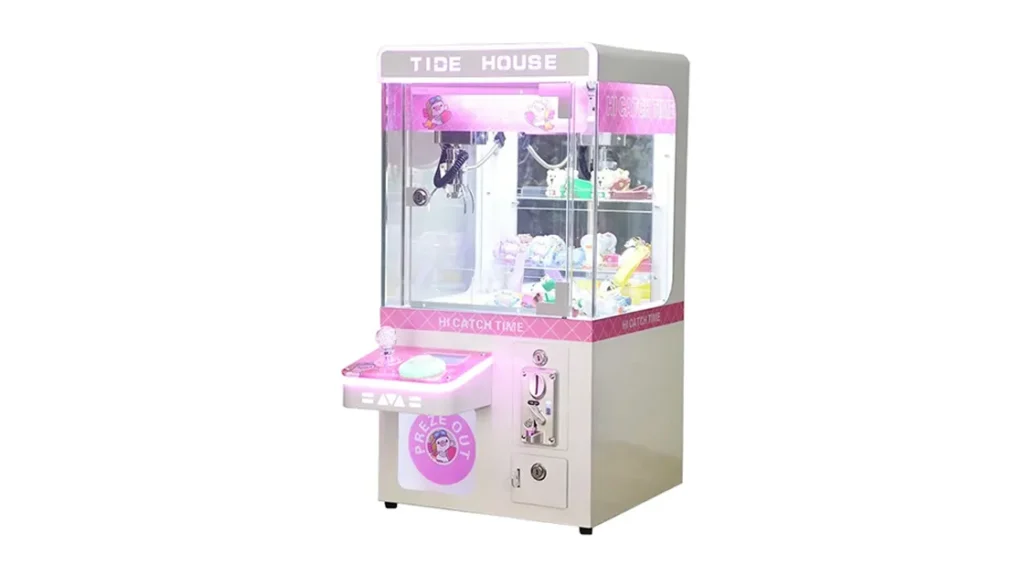
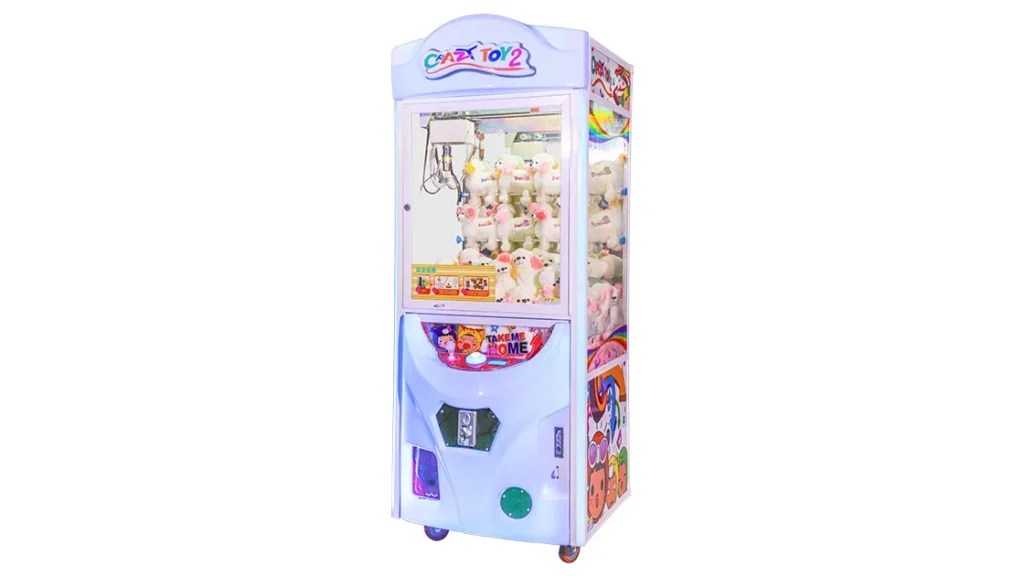
- Mini Claw Machines – Low cost, ideal for small spaces
- Full Size Claw Machines – Most common, balanced ROI
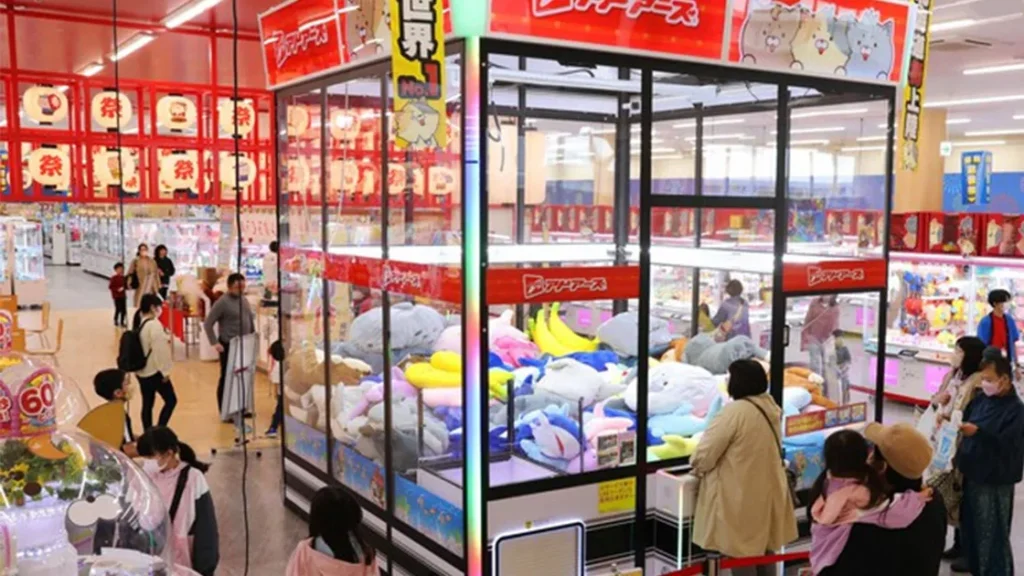
- Huge Claw Machines – Higher throughput, better for malls
- Human Claw Machine – A life-sized party game where people become the “claw” or the “prize”
- Prize-Focused Machines – Designed for high-margin item
- 2/4 Players Claw Machines – Claw machines suitable for multiple players
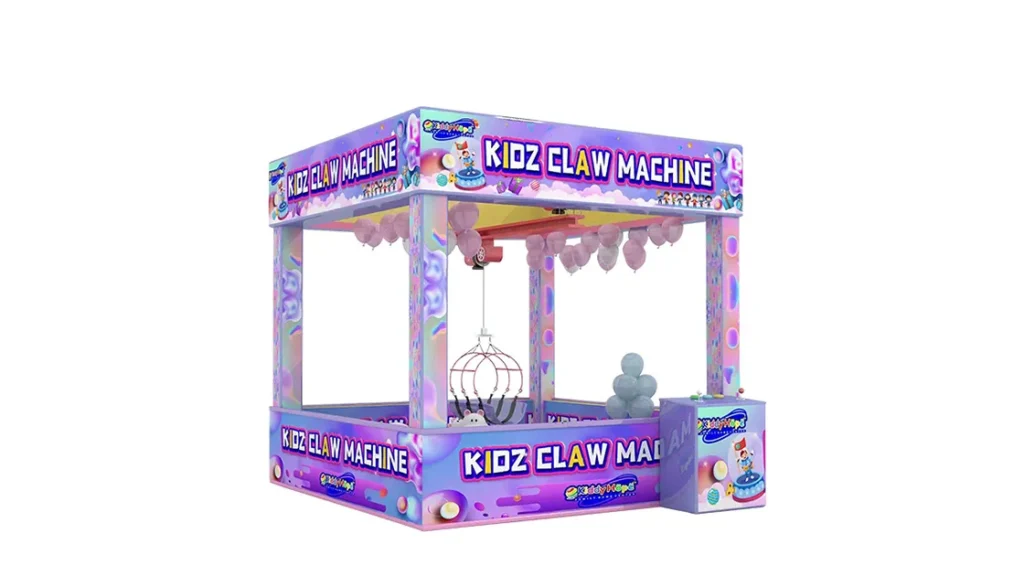
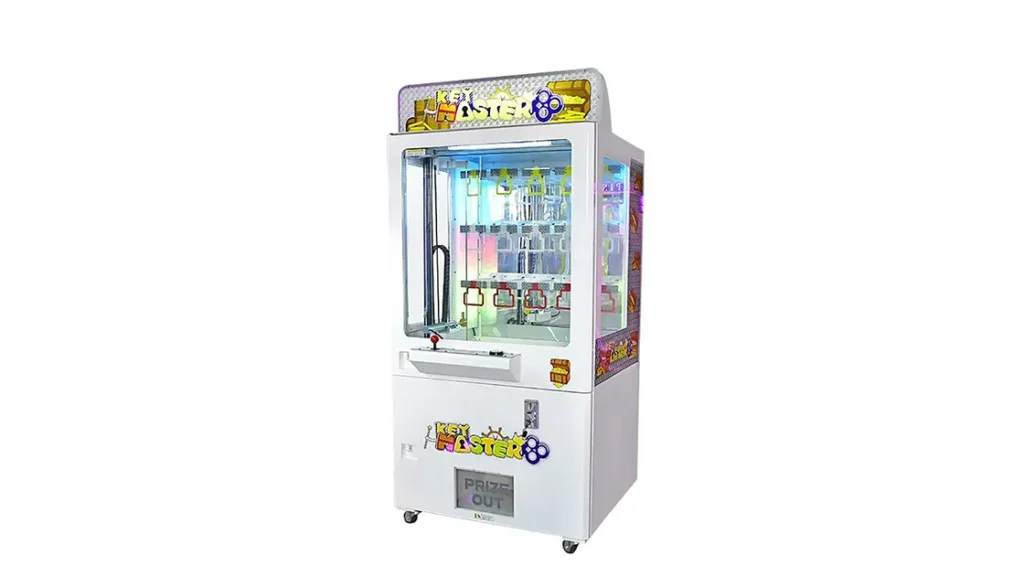
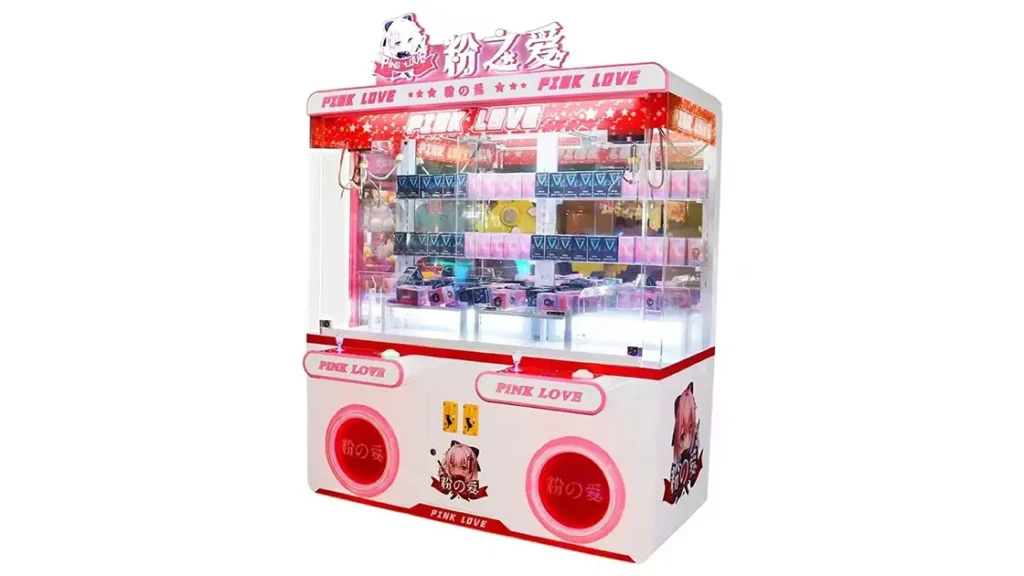
For most investors:
- Start with 2-player or 4-player machines for maximum revenue per square meter
Selecting the Right Claw Machine Prize: IP & Trends (Critical Before Buying Machines)
Before investing in claw machine business, you must decide what you will sell — because merchandise directly determines:
- Machine size and configuration
- Pricing strategy
- Profit margins and ROI
High-Performing Prize Categories:
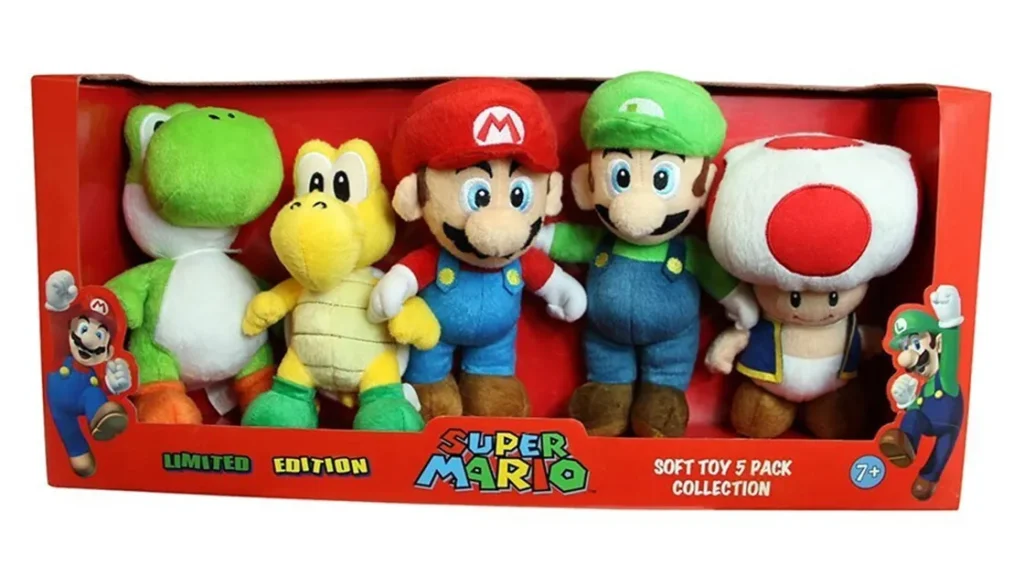
- Plush Toys – Low cost, broad appeal, stable ROI
- Licensed IP Products – Higher ticket value, strong attraction
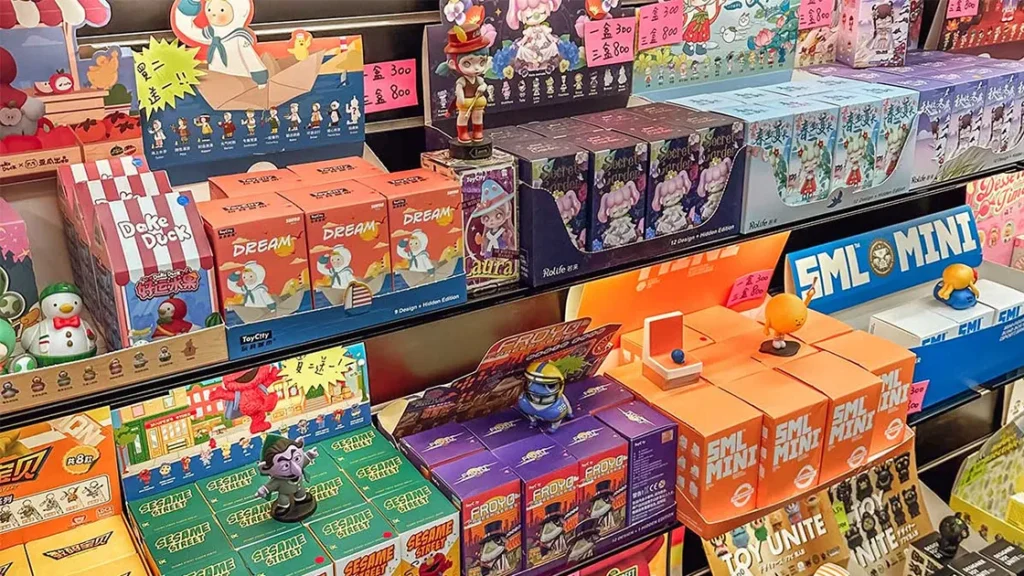
- Blind Boxes / Mystery Items – Increase replay rate significantly
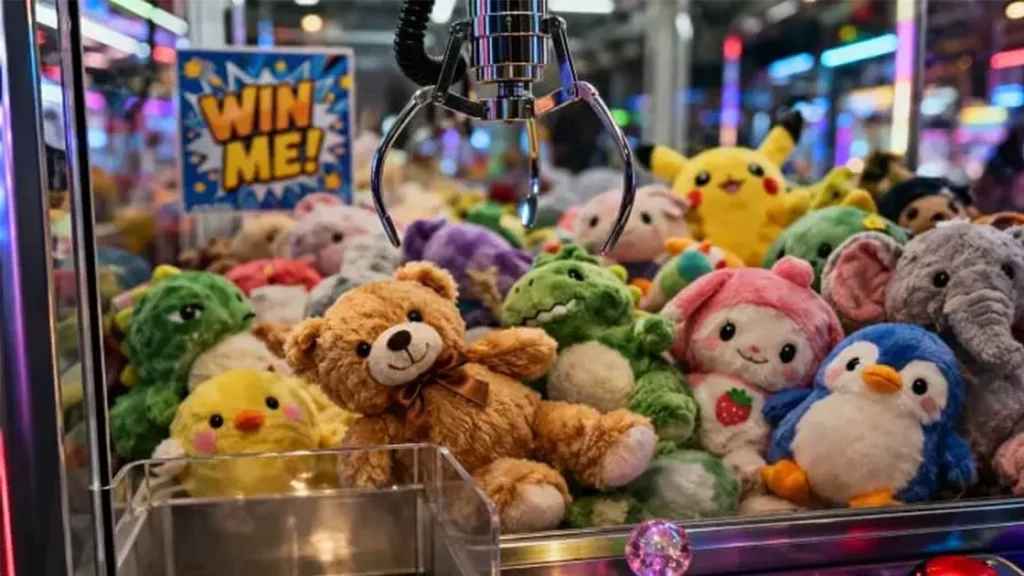
Key Insight:
Your prize strategy defines your business model — not the machine itself
- Low-cost prizes → high volume model
- Premium IP → high-margin model
Recommended Cost Structure:
- Prize cost = 20%–35% of revenue
Tech & IoT Integration: Arcade Management System
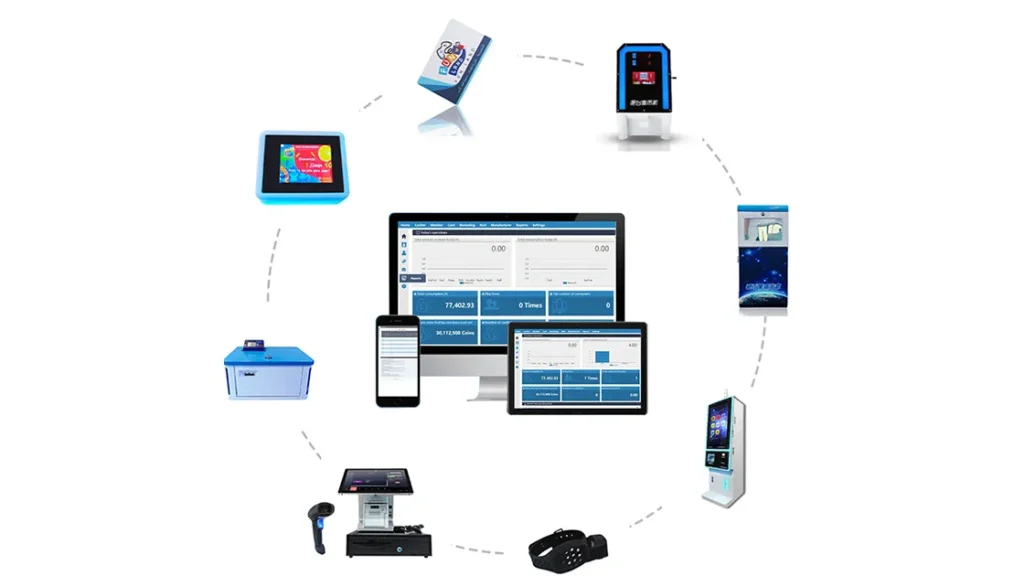
Modern claw machine businesses are no longer just mechanical — It’s not just about machines, but a closed-loop integration of the machine and arcade management system, using data-driven methods to help you achieve transparent management of “people, machines, and money,” improving overall return on investment (ROI).
Must-Have Features in 2026:
- Cashless Payment Systems: Replace physical tokens with membership cards or QR codes, eliminating the pressure of counting coins and improving payment efficiency.
- Real-time Financial Monitoring: View revenue data for each machine at any time, accurately identify the “cash cows,” and optimize venue layout.
- Anti-fraud and Cost Reduction: Strictly control employee permissions and gift inventory to prevent internal financial leaks and reduce manual reconciliation time.
- Precision Marketing: Record member spending habits and support setting up activities such as “half-price on Tuesdays” or recharge bonuses to increase repurchase rates.
Why It Matters:
Operators using smart systems typically see:
- 20–40% higher efficiency
- Faster decision-making
- Lower labor costs
This is now a competitive baseline, not a luxury.
How Much Does a Claw Machine Cost?
Typical price ranges:
| Type | Price Range |
|---|---|
| Mini Claw Machine | $50 – $1,200+ |
| Full Size Claw Machines | $2,500 – $7,000+ |
| Huge Claw Machines | $15,000 – $36,000+ |
| Human Claw Machine | $4,000 – $10,000+ |
| 2/4 Player Claw Machines | $300 – $3,000+ |
| Prize-Focused Machines | $300 – $9,000+ |
Key insight:
- Higher price ≠ higher profit
- Location + operation strategy matters more than machine cost
Read more: 2026 Claw Machine Prices Guide
Are Claw Machines Profitable? (Real ROI Logic)
Yes — when operated correctly, claw machines are one of the highest-margin arcade products.
Example ROI Model:
- Cost per play: $1
- Average plays/day: 80
- Daily revenue: $80
- Monthly revenue: $2,400
Estimated Payback Period:
- 1–3 months (good location)
- 3–6 months (average location)
Why they work:
- Players chase “near wins”
- Prize cost is controllable
- Adjustable win rate protects margins
How to Start a Claw Machine Business (Step-by-Step)
Step 1: Choose the Right Location
Top-performing locations:
- Shopping malls
- Cinema
- Family entertainment centers (FECs)
- Tourist areas
Step 2: Select Machine Mix
Recommended starter setup:
- 60% full size clawmachines
- 20% 2/4 player claw machines
- 10% giant claw machine/ human claw machine
- 10% mini clawmachines
Step 3: Design Layout (Critical for Revenue)
Golden rule:
- Place machines in clusters, not scattered
- Keep high-visibility zones near entrances
This is where professional planning matters most.
Step 4: Set Win Rate & Pricing
- Typical win rate: 1/6 to 1/12
- Balance:
- Too easy → low profit
- Too hard → low engagement
Step 5: Prize Strategy (Profit Driver)
High-performing prize types:
- Plush toys (low cost, high appeal)
- Licensed products (premium pricing)
- Mystery boxes (increase replay rate)
Prize cost should be:
- 20%–35% of revenue
Read more: How To Start A Claw Machine Business
How to Maximize Profit (Advanced Tips)
Optimize Placement
Machines near entrances can increase revenue by 30%+
Use Visual Merchandising
- Bright lighting
- Full prize display
- Clear “winnable” perception
Rotate Prizes Frequently
- Keeps repeat players engaged
Bundle Promotions
- “Play 5 times, get 1 free”
Maintenance & Operations
Claw machines are relatively low-maintenance, but consistency matters.
Routine Tasks:
- Daily: check coin system & claw function
- Weekly: restock prizes
- Monthly: inspect mechanical parts
Common Issues:
- Weak claw grip
- Sensor errors
- Coin acceptor jams
Legal, Compliance & Winning Probability (Risk Control)
Operating claw machine business involves regulatory and compliance considerations, especially in international markets.
Key Areas to Watch:
- Winning Probability Regulations
- Some regions regulate win rates
- Avoid being classified as gambling equipment
- Local Licensing
- Claw Machine License / amusement permits may be required
- Shopping mall agreements may include restrictions
- Consumer Protection
- Machines must appear “fair and winnable”
- Avoid misleading setups
Key Insight:
Your win rate strategy must balance:
- Profitability
- Player trust
- Legal compliance
Why Claw Machines Are So Popular (Japan Market Insight)
Japan is one of the most mature claw machine business markets in the world.
Key reasons:
- Strong “challenge culture”
- High-quality prize design
- Social & repeat-play behavior
Insight for investors:
- Success is not just hardware — it’s experience design + psychology
How to Choose a Claw Machine Supplier
Choosing the right supplier directly impacts:
- Machine lifespan
- Maintenance cost
- Business scalability
Key Factors:
- Product Quality
- Stable claw system
- Durable cabinet
- Customization
- Branding (OEM/ODM)
- Prize configuration
- After-Sales Support
- Remote technical support
- Spare parts availability
- Project Experience
- Layout design capability
- ROI planning support
From Machines to Profit: Why Strategy Matters
Most operators fail not because of the machines — but because of:
- Poor location
- Wrong pricing strategy
- Weak layout planning
Successful operators focus on:
- ROI modeling
- space efficiency
- player psychology
Start Your Claw Machine Business (Free Support)
If you’re planning to launch or upgrade your calw machine store:
We provide:
- Free Claw Machine Store One-stop Solution
- ROI & profit analysis
- Machine customization (OEM/ODM)
- Global installation & training
Get a free project plan today and see how fast you can break even.
Final Takeaway
Claw machines are not just arcade equipment — they are a controllable profit system.
If you combine:
- The right machines
- The right location
- The right strategy
You can build a high-margin, fast-scaling claw machine business.
FAQ
Typically between $10,000 and $50,000 depending on scale and location.
Most operators break even within 1–6 months.
High-traffic areas like malls, cinemas, and FECs perform best.
Semi-passive. They require restocking and basic maintenance.
Usually between 1/6 and 1/12 depending on pricing strategy.
Send Us A Message